













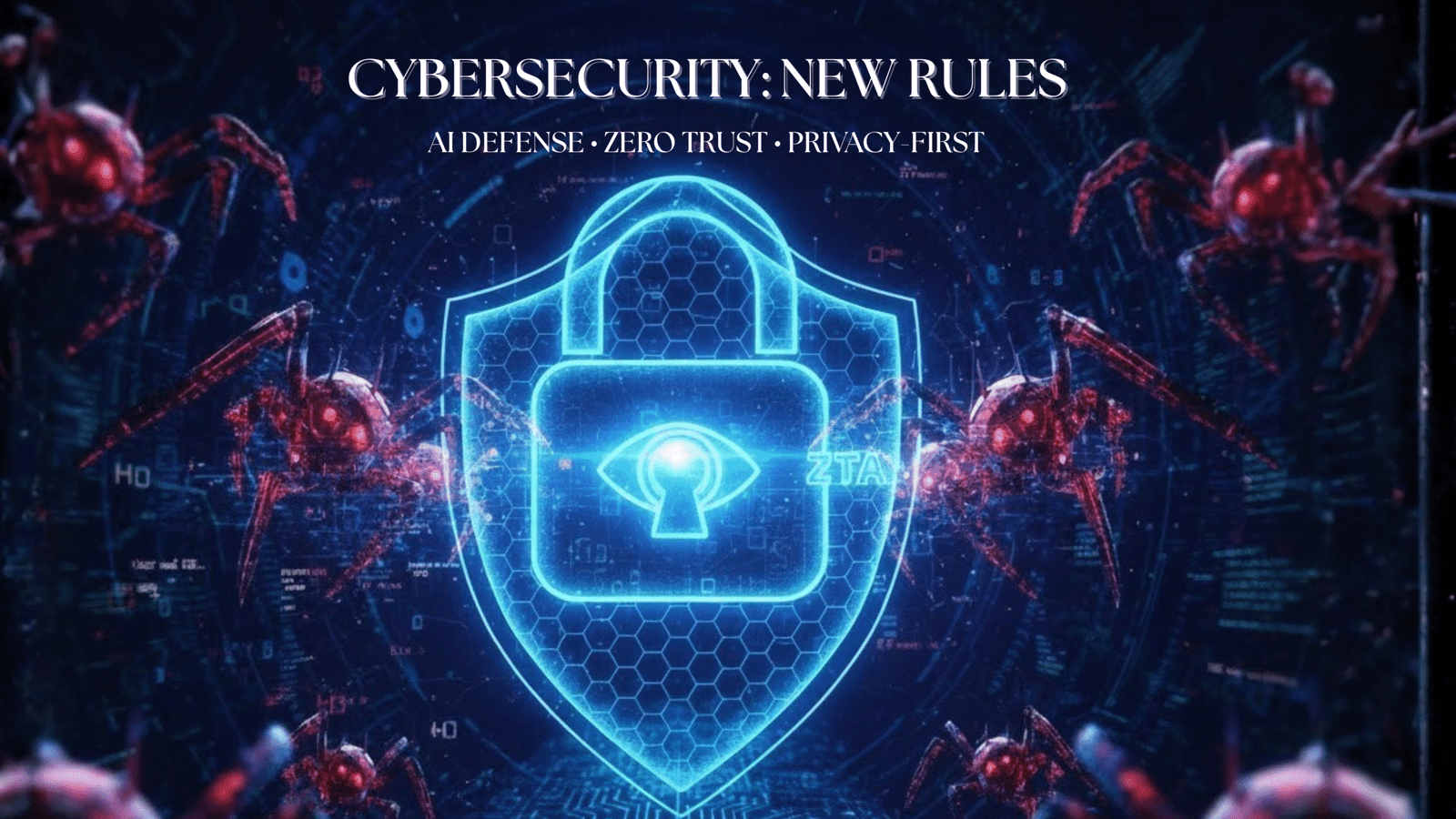
Why old passwords are dead, and how AI-driven defenses and Zero Trust architecture are protecting your career and life now.
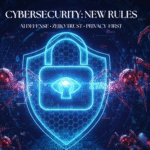
Cybersecurity is no longer just some abstract IT department headache—it’s your fundamental digital survival skill. If you’re a young professional on a global stage, you know data is currency. Yet, we often treat our digital lives with a casualness that hackers love. We’re constantly streaming, sharing, and connecting, and frankly, the old security rules were built for a time before AI learned to hack. So, what’s the big shift? It’s moving from building high perimeter walls to implementing smart, personalized defense systems. The future of digital safety is built on AI threat detection, Zero Trust, and a deeply engrained privacy-first mindset.
AI Threat Detection: Fighting Fire with Intelligence
Let’s face it: attackers are using sophisticated AI to find vulnerabilities faster than any human defender can patch them. Luckily, Cybersecurity is fighting back with its own machine intelligence. AI-driven threat detection is the security world’s superpower.
It doesn’t just look for known malware signatures; it learns the normal behavior of your network and devices—your unique digital heartbeat. When a login happens at 3 AM from a country you’ve never visited, or a file tries to access an unusual server, the AI flags the anomaly instantly. This rapid, proactive defense transforms security from a passive blockade into an intelligent, adaptive shield. This is a massive leap from the old model, which relied on signature matching to look only for threats it already knew about.
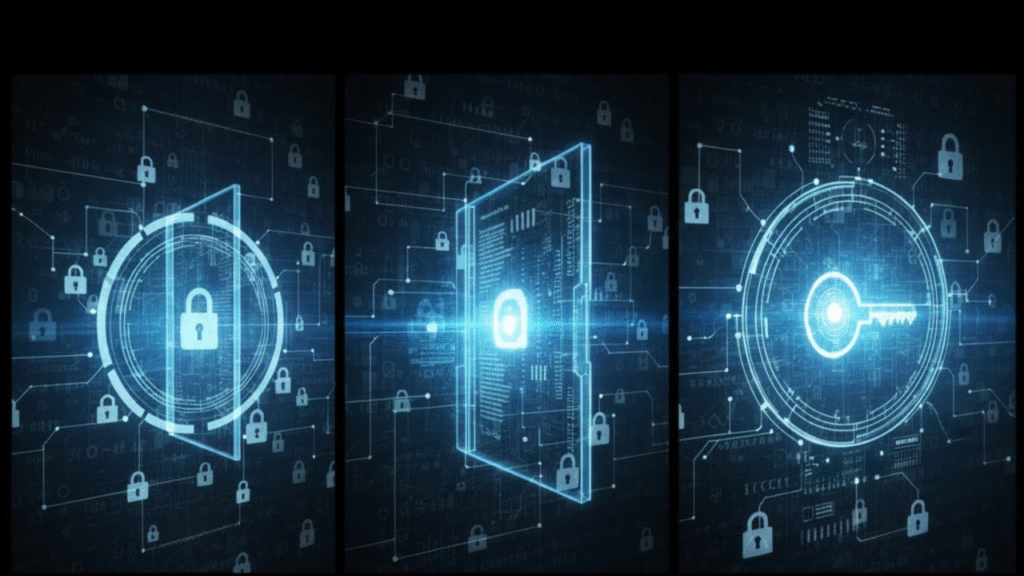
Zero Trust Architecture: Trust No One, Not Even Yourself
The old security model was like a velvet rope at a club: once you’re inside, you’re trusted everywhere. That’s why one compromised laptop could sometimes take down an entire company. Zero-Trust Architecture (ZTA) throws that whole concept out.
ZTA operates on one simple, paranoid principle: Never Trust, Always Verify. Every single user, device, and connection—whether inside or outside the corporate network—must be continuously authenticated and authorized. Unlike the old perimeter security that trusted internal users by default, ZTA requires verification for every single action. This means your work laptop needs authorization every time it accesses a new server, and your access is limited to only the specific data you need for a task. ZTA is the necessary foundation of modern enterprise Cybersecurity.
Privacy-First: Protecting the User by Design
For the 20-30 demographic, who grew up on social media, privacy is paramount. We’re finally seeing a global demand for technologies that put the user first. This is the privacy-first movement.

Instead of trying to bolt privacy onto a data-hungry system later, companies are designing services where user data protection is the primary goal. Technologies like federated learning (where AI trains on decentralized data without ever seeing individual records) and privacy-enhancing computation are making this possible. Where the old model only focused on encrypting data when it was saved or sent, the new privacy-first approach decentralizes data and ensures its protection is guaranteed by the very structure of the application. Good Cybersecurity isn’t just about blocking bad guys; it’s about making sure your private data stays private by design.
The Next Step: Your Career in Digital Defense
The bottom line? Cybersecurity is evolving from a reactive function into a dynamic, intelligent, and highly valuable field. For anyone aiming for a high-value career, specializing in AI-driven security, ZTA implementation, or data privacy compliance offers massive opportunities globally.
Don’t wait for the next major data breach to take action. Invest in these skills today—because in the digital age, your ability to protect and govern information is the ultimate competitive advantage.
For more updates – Today News








+ There are no comments
Add yours