















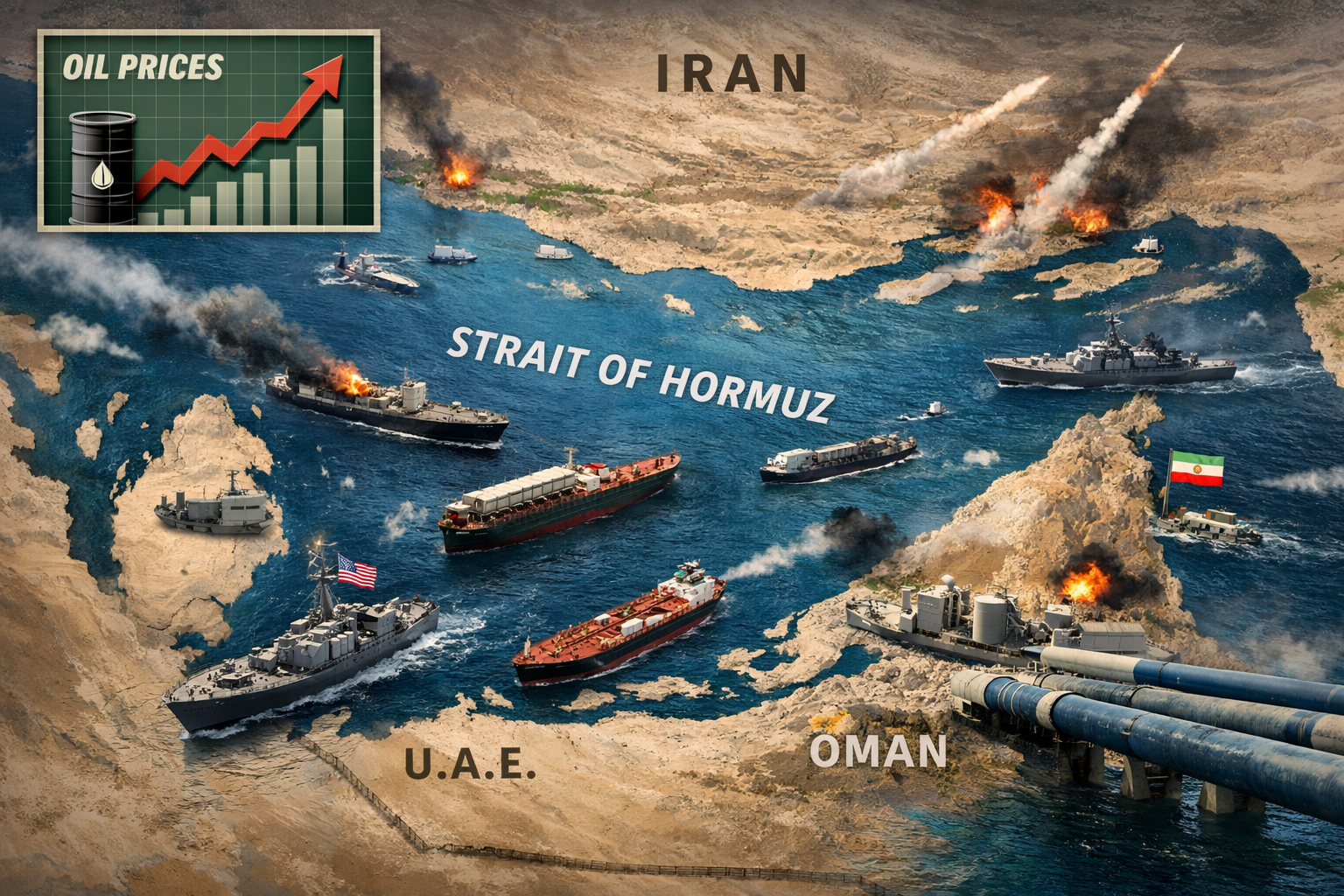
The escalating Middle Eastern conflict in 2026 involving Iran, United States, and Israel is driven by a volatile mix of nuclear security concerns and global energy politics. At the center of the crisis is the strategic Strait of Hormuz, one of the world’s most critical energy corridors through which nearly 20 percent of global oil supply flows.
Iran’s threats to disrupt or close the strait have sent shockwaves across global markets, with crude oil prices surging by nearly 9–10 percent within days of the escalation. Tanker traffic has slowed dramatically as shipping companies reassess the risks of operating in a potential war zone. For energy-dependent economies, the conflict is not just about geopolitics but about immediate economic consequences.
Energy Security and India’s Vulnerability
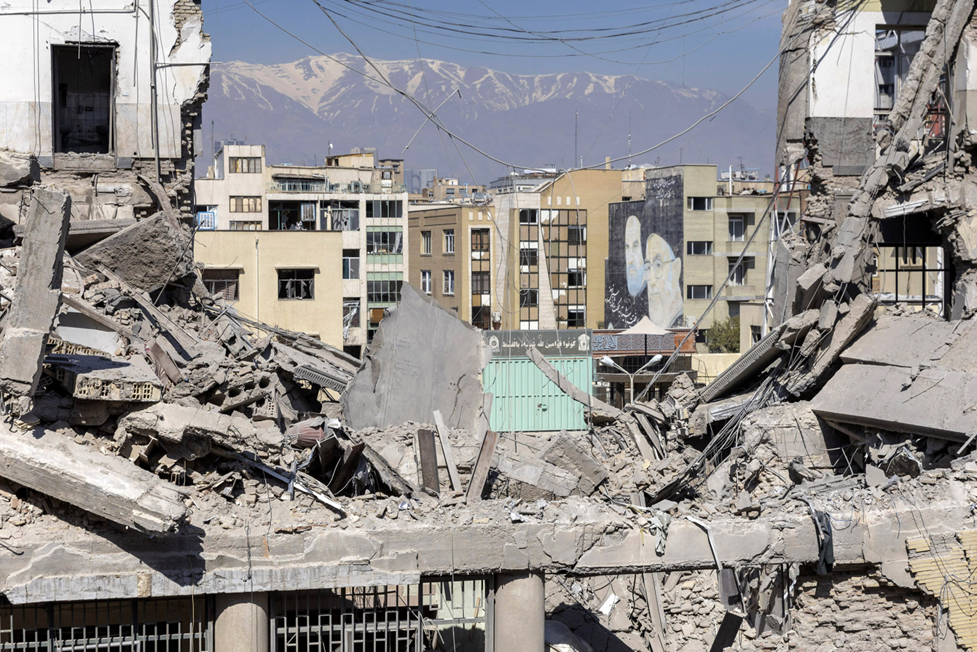
For countries like India, the crisis presents a serious challenge to energy security. India imports more than 80 percent of its crude oil, with a significant portion sourced from Gulf producers such as Saudi Arabia, Iraq, and United Arab Emirates. Any disruption in tanker routes through the Strait of Hormuz threatens to tighten supply chains and push domestic fuel prices upward.
Rising crude prices also risk fueling inflation and slowing economic growth in India, which is already balancing development needs with energy demand. In response, policymakers in New Delhi are reportedly accelerating efforts to diversify supply sources, strengthen strategic petroleum reserves, and expand partnerships with alternative energy exporters.
Nuclear Ambitions and Military Escalation
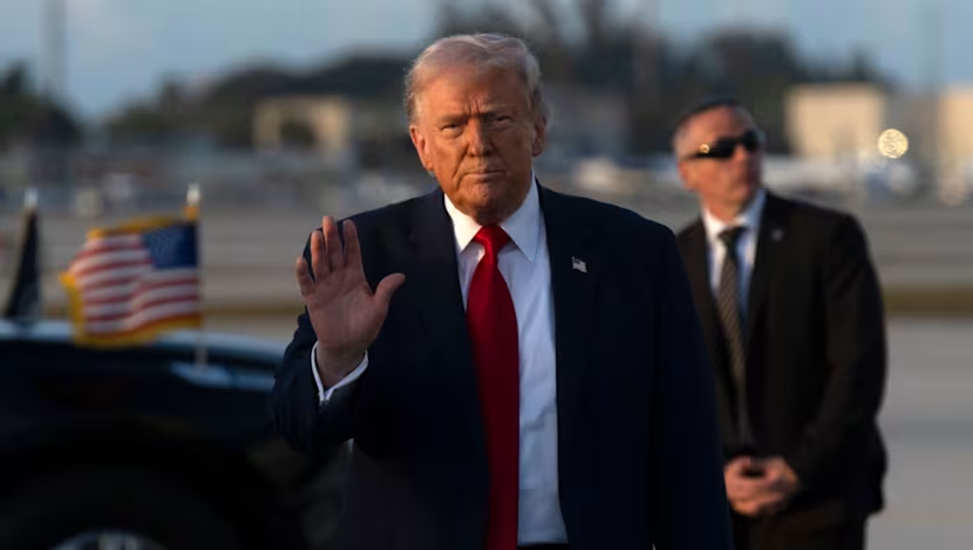
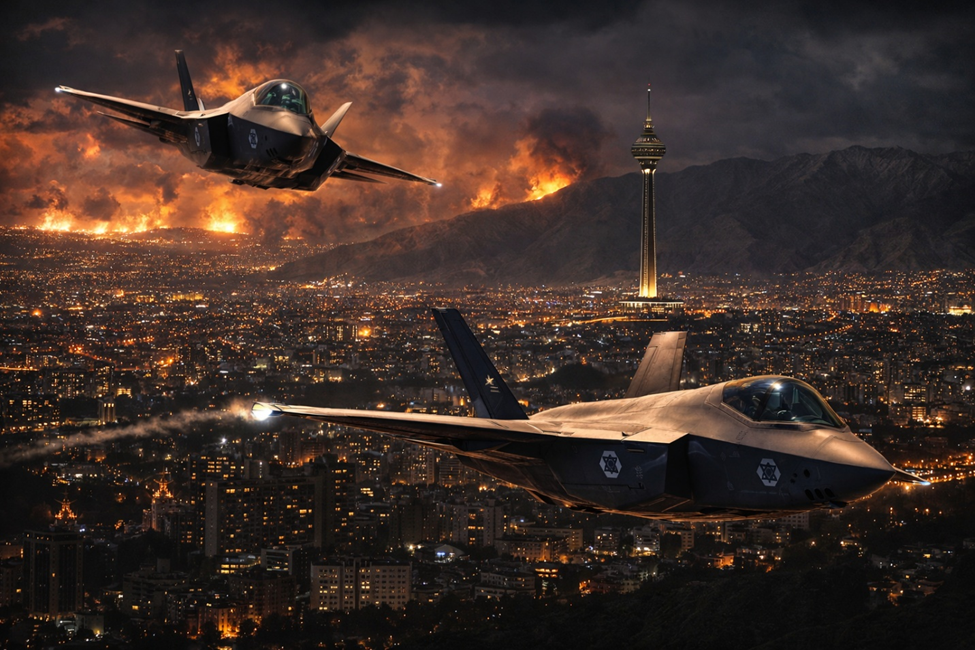
Beyond oil, the deeper strategic dimension of the conflict lies in nuclear containment. Washington and Tel Aviv have long argued that Iran’s nuclear program could lead to the development of nuclear weapons, which they view as a threat to regional stability. The current conflict has seen reported airstrikes on Iranian infrastructure and retaliatory missile and drone attacks across the Gulf.
These developments mark one of the most direct military confrontations between the rivals in decades. The conflict therefore represents both a geopolitical struggle over nuclear capability and a battle over influence in the Middle East’s strategic landscape.
A Hidden Crisis: Water and Infrastructure
While global attention focuses on oil markets, analysts warn that the most vulnerable targets may be water infrastructure—particularly desalination plants across the Gulf. Countries like Kuwait, Oman, and Saudi Arabia rely heavily on desalination to supply drinking water to their populations.
The Gulf Cooperation Council region operates more than 400 desalination plants, producing roughly 40 percent of the world’s desalinated water. Any attack on these facilities could trigger a humanitarian crisis by disrupting drinking water, electricity, sanitation, and public order simultaneously. Some Gulf cities depend on a single plant for the majority of their water supply, meaning that even limited damage could leave millions without potable water within days.
Global Economic Ripples and India’s Strategic Choices
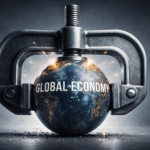
The broader impact of the conflict is already visible in global energy markets and shipping routes. Rising oil prices threaten economic recovery worldwide, while disruptions to Gulf infrastructure could extend the crisis far beyond the battlefield. For India, the war underscores the urgency of accelerating its transition toward renewable energy, strategic reserves, and diversified imports.
At the same time, New Delhi must carefully navigate diplomatic relations with both Western powers and Middle Eastern partners. The Iran conflict is therefore more than a distant war—it is a reminder that India’s economic stability remains deeply tied to the fragile geopolitics of the Middle East.
For more updates – Today News










+ There are no comments
Add yours