


















How new-age roles quietly overtook traditional careers and why this shift matters to you right now
Jobs that didn’t exist 5 years ago are now quietly rewriting the rules of success—and most people haven’t noticed yet.
Five years back, the career conversation was predictable. Become an engineer. Get a degree. Climb the ladder. Today, that script is breaking in real time. Across industries, entirely new roles have emerged—careers that pay more than traditional engineering jobs, without following traditional paths.
This isn’t hype. It’s a structural shift. If you read newspapers closely, you’ll notice a pattern: companies aren’t asking where you studied anymore. They’re asking what problem you can solve.
The Evolution No One Prepared You For
In the past, professional roles evolved slowly. Titles stayed stable for decades. Today, technology, platforms, and consumer behavior are moving faster than education systems can update syllabi.
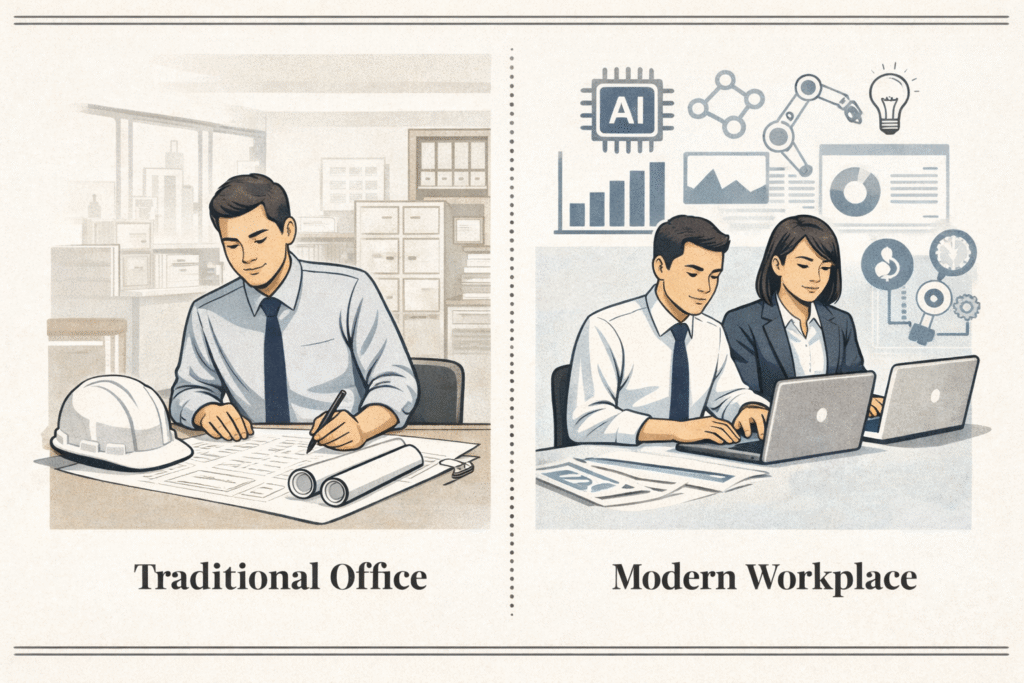
As a result, newly emerged roles are now in high demand because they solve modern problems—not textbook ones. Consider this: Businesses no longer struggle to build products. They struggle to get attention, data, trust, and automation. That gap created entirely fresh ways to earn a living.
The New Jobs That Changed the Pay Equation
Here are some specialized positions that barely existed or didn’t exist at all half a decade ago:
- AI Prompt Specialist – People who know how to talk to AI tools effectively.
- Performance Marketing Analyst – Focused purely on revenue, not “likes.”
- No-Code Automation Expert – Building systems without traditional coding.
- Content Strategist for Short-Form Media – Designing attention, not just content.
- Data Storyteller – Turning raw data into decisions leaders can act on.
What’s common here? None of these functions require four years of conventional engineering education but all of them require applied thinking.ere?
None of these roles require four years of conventional engineering education but all of them require applied thinking.
Why Do These Jobs Pay More Than Engineers?
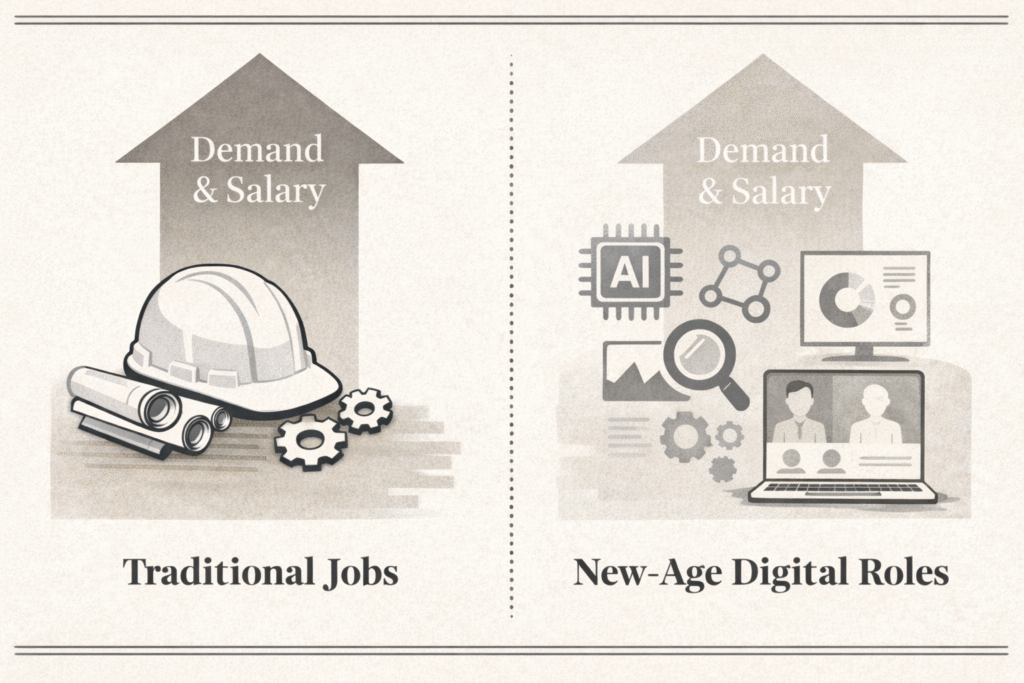
This is where the uncomfortable truth appears. Traditional roles produce supply; modern professional roles produce leverage.
An engineer often works inside a system. These new specialists optimize the system itself. When your work directly increases revenue, reduces costs, or scales output, companies pay more regardless of your degree. That’s why fresh graduates in these emerging fields are sometimes earning more than senior engineers stuck in static roles.
A Conversation Worth Having: Is Your Skill Still Relevant?
Pause for a moment. If your job disappeared tomorrow, would your skill still be valuable somewhere else? This is the question today’s job market quietly asks everyone.
Jobs that didn’t exist 5 years ago appeared because the world changed. And it will change again. The safest career now isn’t a specific job title it’s adaptability.
How People Are Entering These Roles (Without Starting Over)
Most people entering these modern fields didn’t quit everything to start from scratch. Instead, they:
- Learned skills in public
- Built small projects
- Switched roles internally
- Took lateral moves instead of vertical promotions
They didn’t chase certificates; they chased relevance..

What This Means for You
This is not a warning. It’s an invitation. The job market isn’t broken it’s evolving. And those who understand this early gain an unfair advantage.
In the near future, today’s “stable” jobs may look outdated. Conversely, jobs that didn’t exist 5 years ago will look like the obvious choice in hindsight.
The real question is not which job pays more. It’s which skill will still matter when the next shift arrives. That’s the conversation worth having right now.
To Get Updated With Blogida Click here











+ There are no comments
Add yours