












Hey, Let’s Be Honest: The Era of Flat Screens is Over
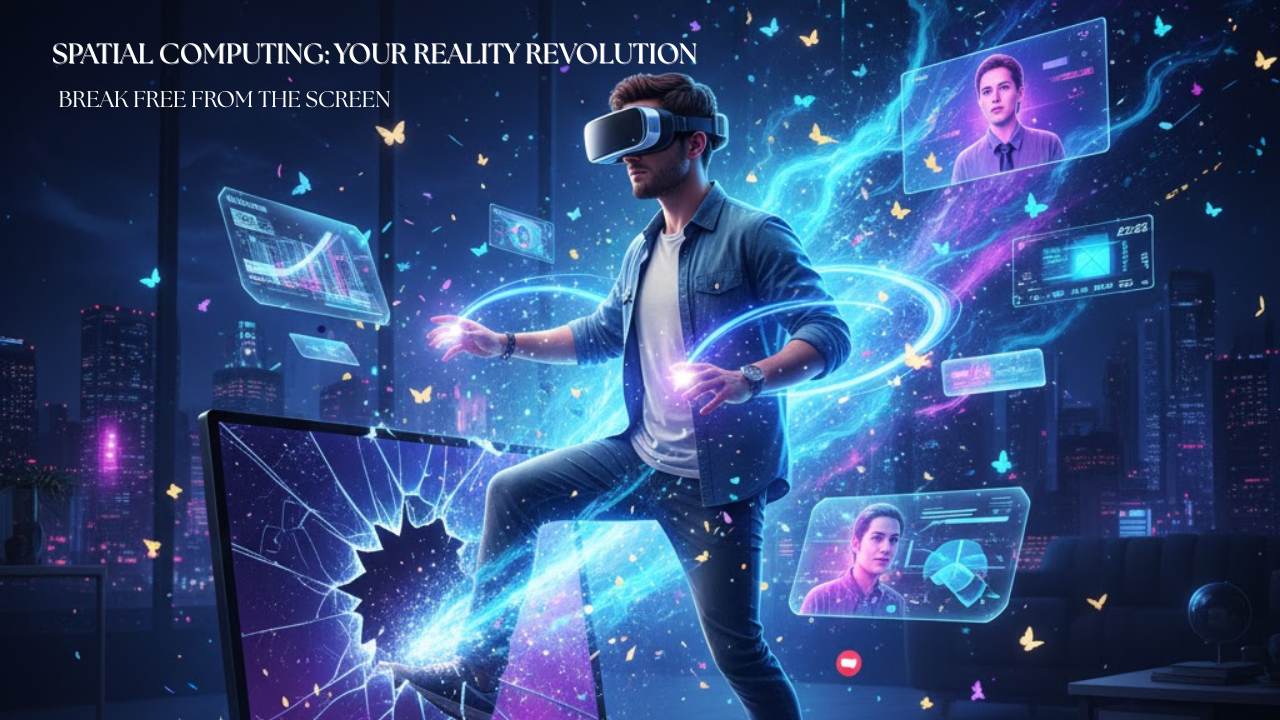
Spatial Computing is here, and it’s about to change everything. If you’re like most people in their twenties and thirties, your digital life feels trapped. It’s all crammed into a small phone or laptop screen, right? You juggle tabs, minimize windows, and feel perpetually limited by two dimensions. Well, get ready for the biggest digital upgrade since the original smartphone.
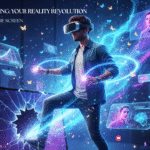
The shift we’re talking about isn’t just about better graphics; it’s about making your digital world exist right there in your physical room. This transition to Spatial Computing, led by groundbreaking devices like the Apple Vision Pro, is the real deal. It’s a complete revolution in how we work, learn, and even chill out.
The Jargon Decoded: AR, VR, and XR
Before you jump into this new reality, you need to understand the terminology. It’s not as complex as it sounds:
- Virtual Reality (VR): This is the ultimate escape. VR replaces your real world entirely, fully immersing you in a new environment. Think of it as putting on a headset and being instantly teleported into a game or a virtual classroom. (Hello, Meta Quest!)
- Augmented Reality (AR): This is the subtle digital overlay. AR projects digital content onto your actual environment, like seeing a filter on Instagram or placing a virtual piece of furniture in your apartment using an app.
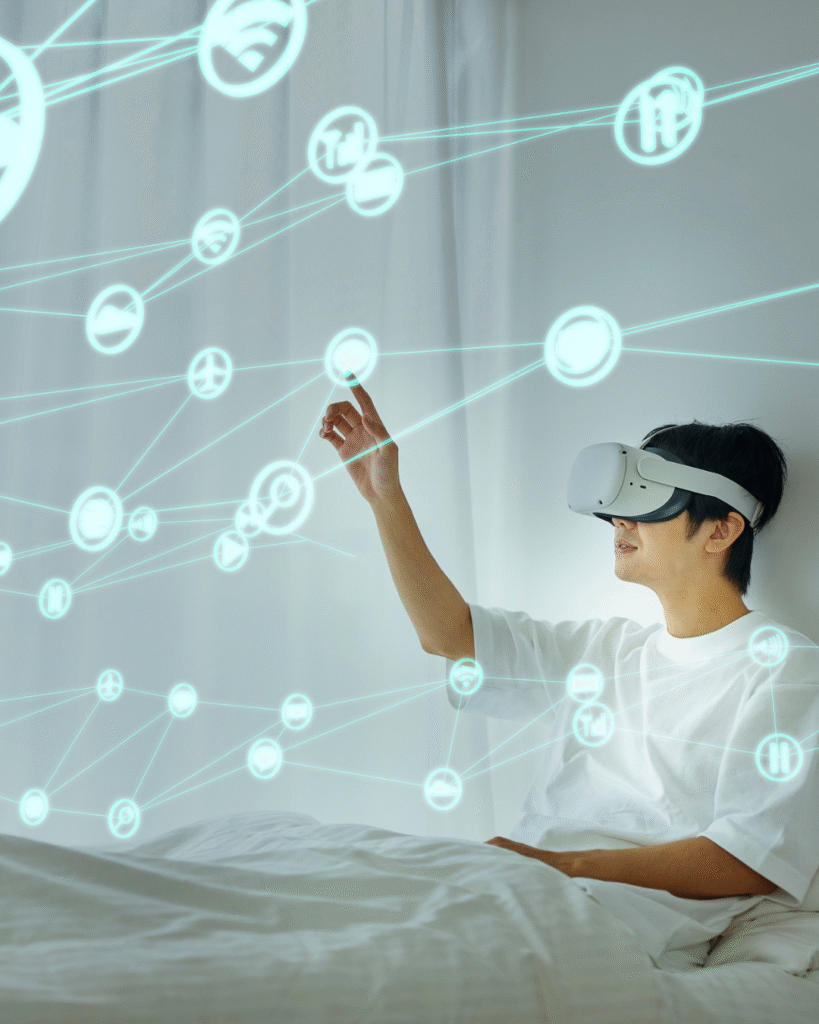
- Mixed Reality (MR) / Extended Reality (XR): This is the real game-changer in Spatial Computing. It’s the seamless blend where digital objects don’t just sit there—they interact with your physical space, and you interact with them naturally using your eyes, hands, and voice. (This is what makes the Vision Pro so unique.)
Beyond the Hype: Why This Matters for Your Career
For our 20-to-30 age group globally, Spatial Computing is far more than entertainment; it’s the next great productivity hack and career accelerator.
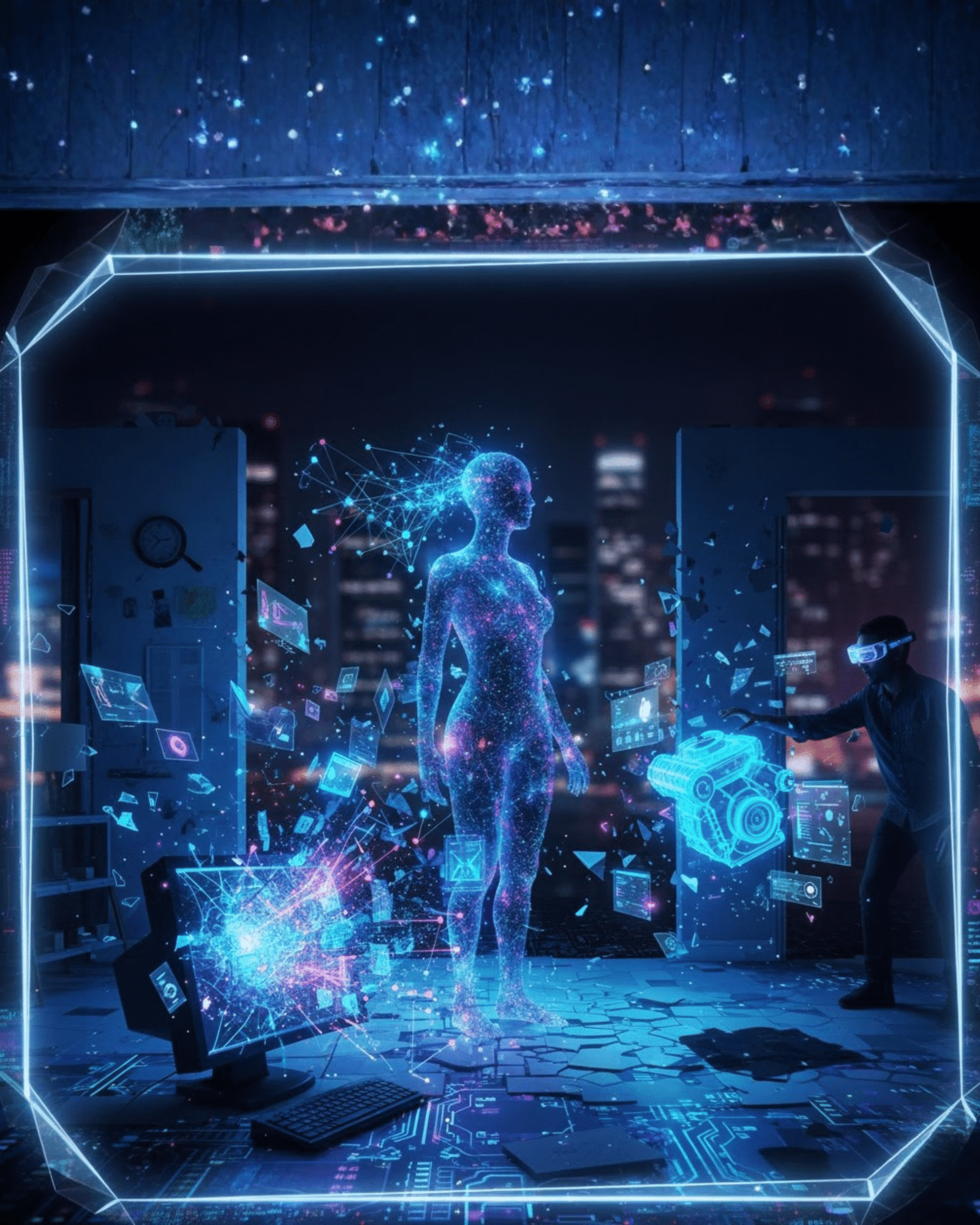
- The Ultimate Workspace: Imagine walking into your apartment and instantly summoning a dozen virtual monitors that float wherever you look. Need a spreadsheet next to your physical coffee cup? Done. Spatial Computing completely destroys monitor clutter and transforms remote work, turning flat video calls into shared, dynamic virtual workshops.
- Hyper-Efficient Skill Acquisition: Forget dense textbooks. Future surgeons will practice complex procedures in perfect VR simulations. Engineers will pull up an AR overlay showing real-time diagnostic data floating over a machine they are fixing. Spatial Computing makes dangerous, expensive, or complex training instantly accessible and highly effective.
- Creative Freedom: If you’re a designer or 3D artist, you can literally walk through your creations. You can sculpt furniture, design vehicles, or model buildings in real-scale, speeding up your creative process dramatically.
Your Next Big Move: Working in Spatial Computing
The industry building this new reality needs talent like yours. The explosion in Spatial Computing hardware guarantees a booming job market. If you want a career that is truly future-proof, start looking into these highly specialized roles now:
- Spatial UX/UI Designer: You’ll be designing the interfaces that people interact with in three dimensions. How should a button look when it’s floating in mid-air? That’s your job.
- 3D Content Creator/Developer: This is the creative backbone. You’ll build the actual environments, avatars, and assets that populate the spatial web.
- XR Engineer: You’ll write the code and optimize the systems, ensuring that Spatial Computing applications run smoothly and interact perfectly with the physical world.
Understanding the principles of Spatial Computing is quickly shifting from a cool niche to a foundational skill across tech, design, and even medical fields.
| Technology | What It Feels Like | Where You See It Now |
| VR (Virtual Reality) | Total immersion; the real world is blocked out. | Gaming, high-fidelity simulations (flight, medical). |
| AR (Augmented Reality) | Digital stickers or info layered over your camera view. | Snapchat filters, navigation apps. |
| MR/XR (Spatial Computing) | Digital objects exist with you, casting shadows and reacting to your room. | Apple Vision Pro, collaborative 3D work environments. |
Final Thoughts: Don’t Just Use It, Build It
The most powerful hardware is here, and Spatial Computing is about to blend into everyday life, making every location a potential workspace. For those of you ready to master this new dimension—the global opportunities are genuinely limitless. Don’t wait until the industry is crowded. Start exploring the software development kits (SDKs) and design principles today. Your career starts in 3D.
For more updates – Today News










+ There are no comments
Add yours